

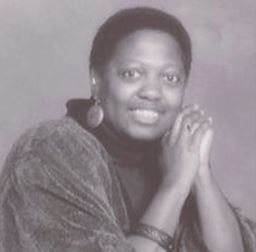
Lorene Garrett-Browder
The beauty of black women and girls is not seen in society’s myths and assumptions about what is desirable in terms of beauty, skin color, hair, body image, sexuality, sensuality, age, sexual orientation, language, class, religion, or gender. The myths and assumptions that society carries about us influence the lives of black women and girls, and many times it is black women and girls who carry these negative myths and assumptions about themselves.
When black women speak in our own words and in our own voices, it is important that we address the prevalence of discrimination, racism, sexism, classism, ageism, and homophobia experienced in women’s families, organizations, associations, groups, churches, workplaces, schools, and communities. It is important that we hold accountable companies and countries that claim to be working on issues of economic and social justice as they relate to black women and girls and as they relate to women and girls of color in general around the world.
In addition, we must address the profound impact that racism, sexism, discrimination, classism, ageism, and homophobia have on the lives of women and girls of color every day in America. This impact includes poverty, oppression, violence, invisibility, and silence. This impact is being neglected, and I believe that it is important to address it. We can no longer ignore these challenges that touch the lives of so many women and girls, no matter what their occupations or situations are.
Negative images and stereotypes about women and girls of color violate and exploit us. The presence of women and girls of color in our society is often ignored along with our challenges, our concerns, and our histories. Our contributions are seen as marginal or not seen at all. Much more remains to be done to improve the lives of women and girls of color in America, specifically in the areas of economics, racism, sexism, violence, and poverty. The face of women’s advancement and achievement in America continues to be predominately not the face of women and girls of color.
As black women and girls, our mission must be to bring women and girls of color together to create opportunities for education, dialogue, networking, healing, and action. In addition, we must build relationships of compassion, trust, and hope that will bring about an increase in individual, collective, and universal consciousness on socioeconomic and social justice issues as they relate to black women and girls and to other women and girls of color. We also invite those who are our allies to be involved in this process with us and to form allegiances and coalitions.
Our goals must be to create opportunities and space to affirm our individual selves and each other, and to understand that what happens to one of us happens to all of us, locally, nationally, and internationally.
Our objectives must be to share our experiences, to express our concerns and challenges, and to take actions that come from a place of heart and consciousness rather than from fear, arrogance, separation, or ignorance. We are living in times when all women and girls, without exception, must be welcome at the table to share their ideas, opinions, and solutions.
We must ask ourselves, “Are women natural allies?” And we must invite other women and girls of color and white women and girls to participate in the dialogue, a dialogue that is inclusive of all that confronts us and affects our everyday lives as women and girls.
Lorene Garrett-Browder is the author of “In The Presence of Women the Question Is Asked, “Are Women Natural Allies?”: And Why Should We Care?” This excerpt is re-printed with her permission.
